
IQlab / Everest hardware
Everest RFID readers
Contactless identification for access, tracking and service systems. USB devices and boards for equipment integration.
Discuss a project ↗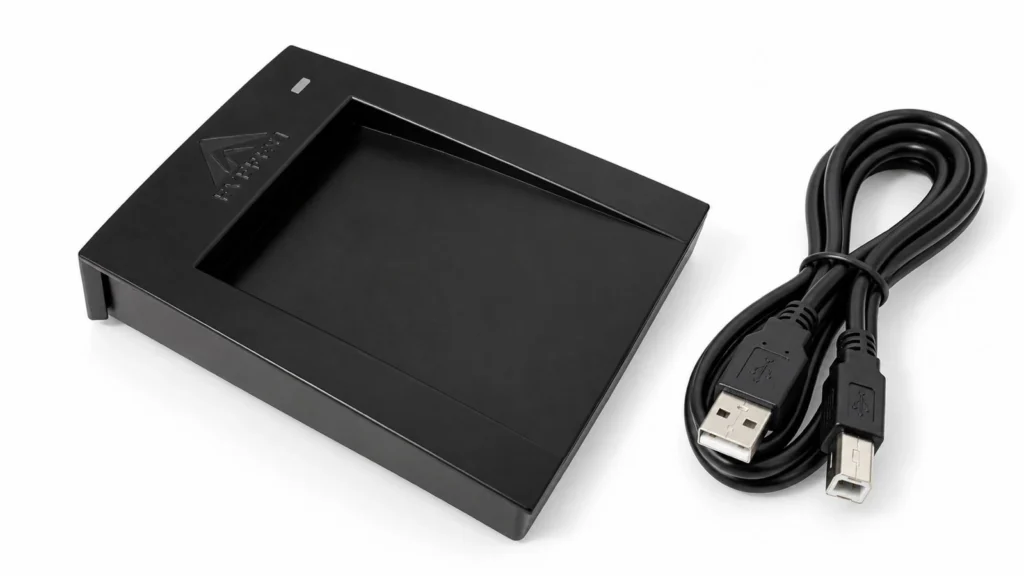
24/7
Years of continuous operation
Everest controllers and readers have been proven through several years of round-the-clock operation in deployed systems.
EVEREST / RFID
Three formats.
Different applications.
A ready-to-use desktop device, an OEM board or a reader integrated into a kiosk panel. Choose the integration format; we will discuss the rest around your system.
01 / USB
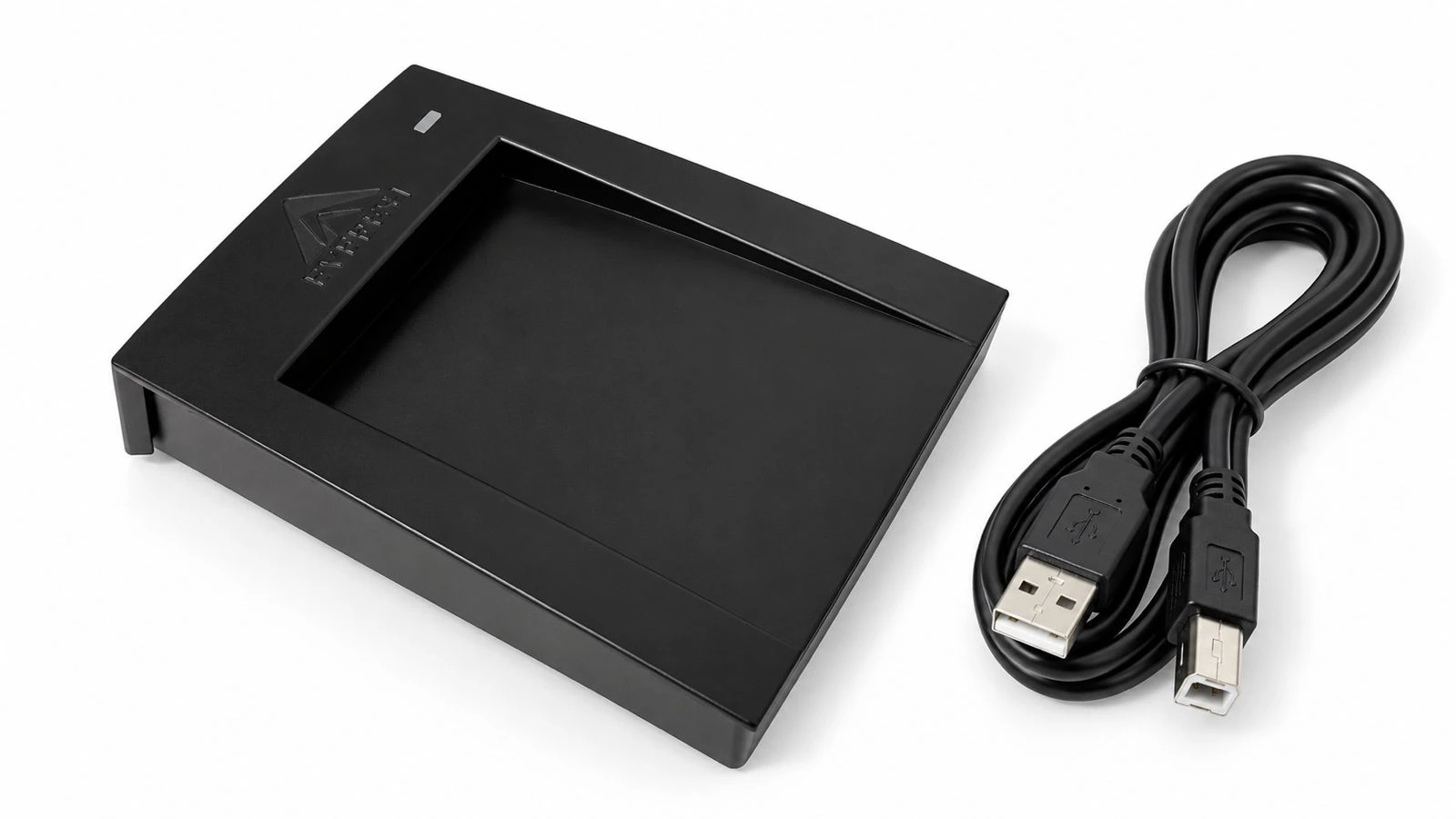
Desktop USB reader
An Everest RFID reader in a desktop enclosure. Contactless card identification for workstations and service systems, with USB connection.
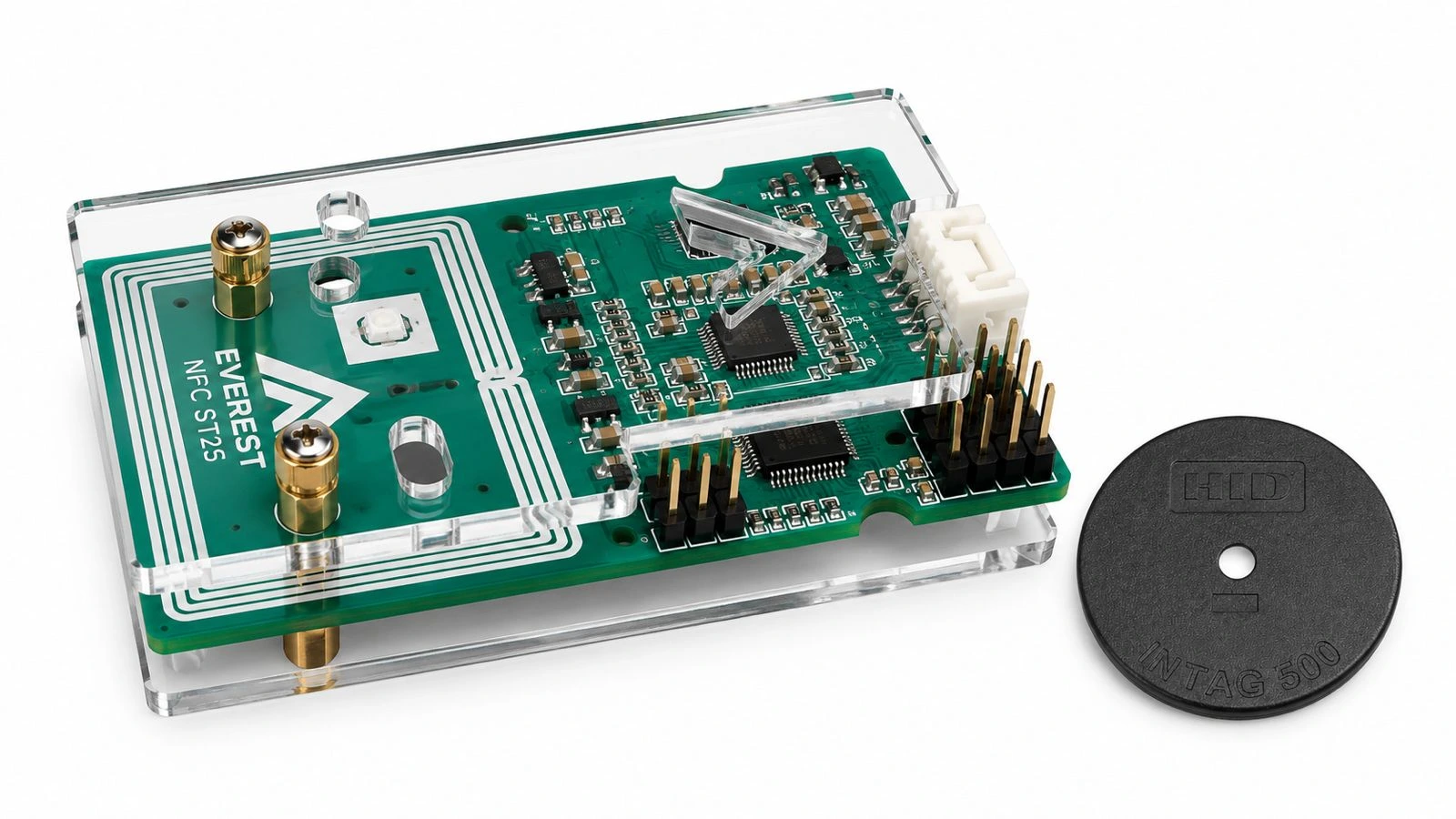
02 / OEM
OEM RFID reader
An Everest RFID module for integration into your own equipment. A reader board with a protective assembly for devices, terminals and specialized systems.
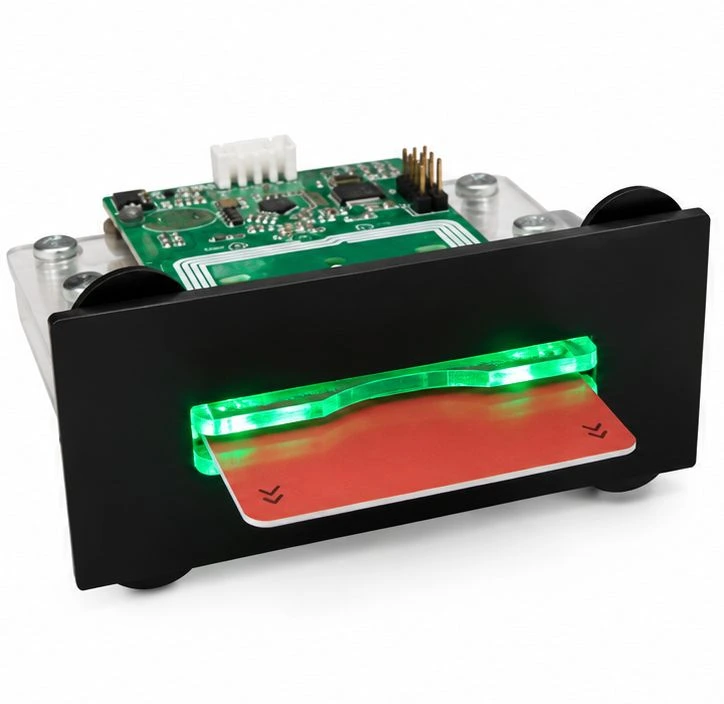
03 / KIOSK
Embedded reader for kiosks
An Everest RFID reader with a front panel and light indication, designed for integration into kiosks, terminals and self-service equipment.
Identification is part
of your workflow.
01
Access
Identify a user, check permissions and record an entry.
02
Tracking
Link a tag to an object, piece of equipment or operation.
03
Services
Identify a member or customer at a service workstation.
Turning identification into an action
The reader captures card data; the application finds the user, checks permissions and records an event. Possible workflows include workstation access, equipment issue, membership service and production-operation acknowledgement. Each requires software integration as well as a reader.
Cards, tags and reading conditions
Compatibility depends on frequency, card standard, RF hardware and firmware. HF systems include ISO/IEC 14443 and ISO/IEC 15693; sharing a frequency band does not guarantee compatibility. Reading an identifier does not imply access to protected memory. We assess sample cards, antenna placement and the enclosure before deployment.
Choosing a format
USB suits operator workstations, OEM modules fit inside equipment and panel readers suit kiosks. We agree application data exchange, repeated presentation handling and unknown-card behaviour. Permissions and action history belong to the software system.
Before we begin
Can we start from an existing board or system?
Yes. Send a description, available schematics, files and photos. We first determine what can be retained and what needs to change.
How are cost and timing defined?
After discussing the problem, constraints and expected outcome. Scope and milestones are agreed for the individual project.
What do you need for an initial discussion?
A brief description, the existing equipment and essential functions. If you already have a specification, attach it to your email.